
Brake Pads 101: Ceramic vs Semi-Metallic vs Organic
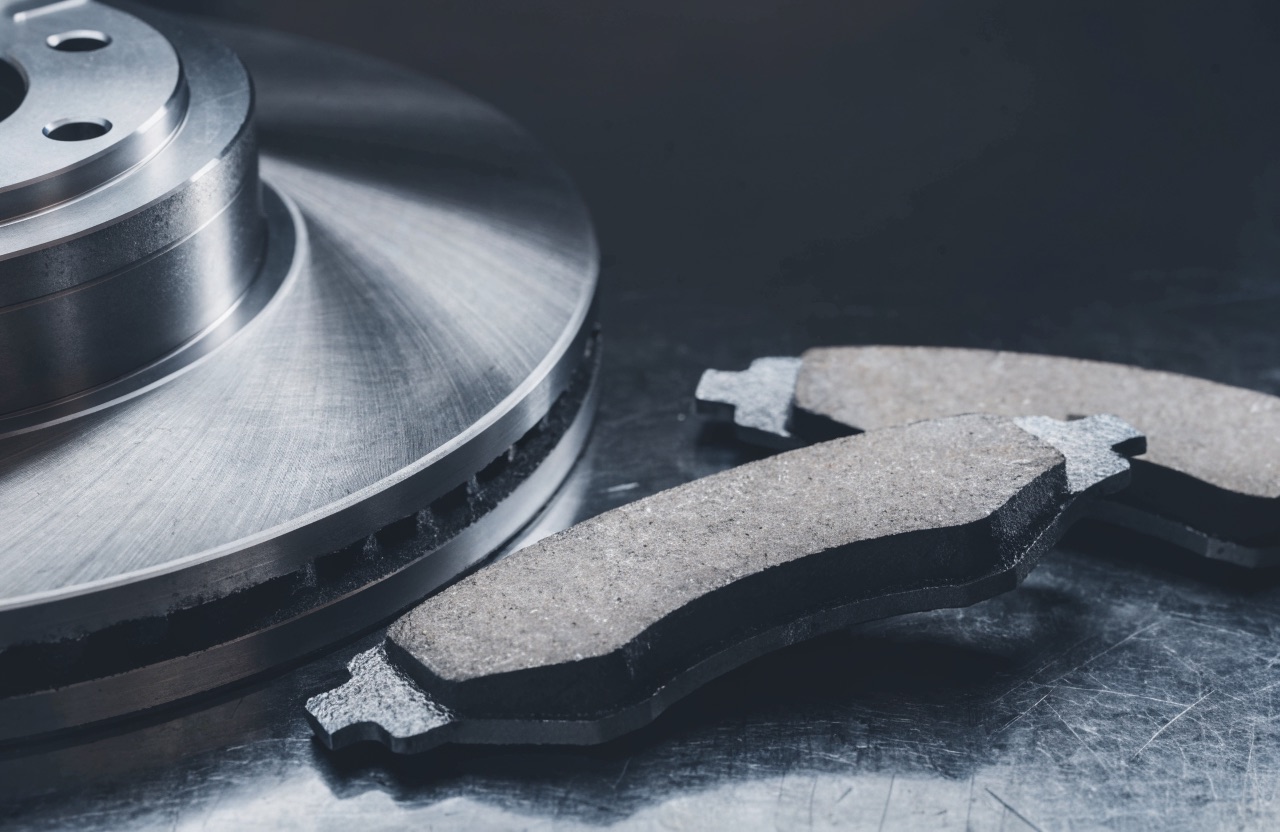
Brake pads are one of the few parts where the material choice changes daily driving more than the brand name does. Here’s the short, honest version of the ceramic vs semi-metallic vs organic debate.
Organic (NAO)
Made from fibers and resins. Quiet, gentle on rotors, cheap — and they wear fast, fade under heat, and produce a lot of dust. Fine for a light commuter that never sees a mountain pass or a trailer.
Semi-metallic
Steel fiber content gives them bite and heat tolerance. They’re the working-truck choice: towing, hauling, aggressive driving. Trade-offs are more noise, more rotor wear, and weaker cold bite on icy Minnesota mornings until they warm up.
Ceramic
Consistent, quiet, low-dust, long-lived. For most daily-driven trucks and SUVs this is the sweet spot. What ceramics are not is a heavy-towing pad — at sustained high temperatures semi-metallic still wins.
The rule of thumb
- Daily driver, mostly street: ceramic.
- Tow rig or work truck: semi-metallic.
- Tight budget, light use: organic — but replace them sooner.
Whatever family you pick, replace pads in axle sets, check rotor thickness while you’re in there, and use the hardware that comes in the box — worn clips are half of all brake noise complaints. Every pad we sell is brand-new stock from authorized distribution, with real fitment data on the listing.