
Exhaust Systems Explained: Cat-Back vs Axle-Back vs Headers
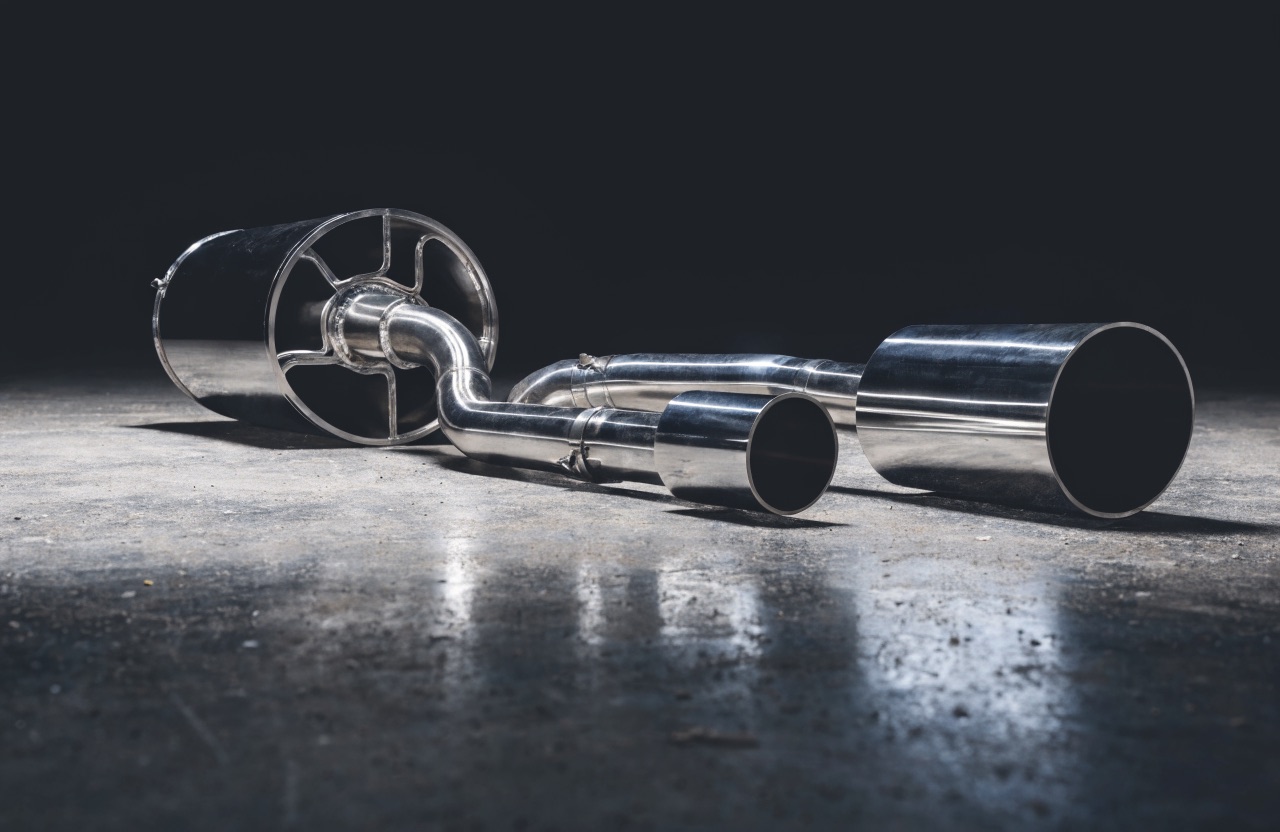
Exhaust upgrades carry more marketing fog than almost any other category. Here’s what each type of system actually does.
Axle-back
Replaces everything from the rear axle back — essentially the muffler and tips. This is a sound and appearance upgrade. Power gains are minimal because the restrictive parts of the system are upstream. It’s also the easiest install and the most affordable entry point.
Cat-back
Replaces the system from the catalytic converter back: mid-pipe, resonator, muffler, tips. You get the full exhaust note transformation plus modest real-world gains from smoother, larger-diameter piping — typically felt more in mid-range response than in peak numbers. Emissions equipment stays untouched, which keeps it street-legal in all 50 states.
Headers and downpipes
This is where meaningful power lives on many platforms — and where legality and complexity live too. Anything that touches or replaces catalytic converters gets into federal and state emissions law, and we’re not going to pretend otherwise. If you’re building for the street, look for systems with the proper emissions certification for your state.
Materials in one paragraph
409 stainless resists rust well and costs less; it can surface-discolor over Minnesota winters but lasts. 304 stainless is the premium alloy — stays bright, costs more. Aluminized steel is the budget option and the first to rust where roads are salted. Around here, we recommend stainless.
Browse our exhaust catalog — every system listed with real fitment data, shipped from Brooklyn Park.