
Lift Kit Basics: What Actually Changes When You Lift Your Truck
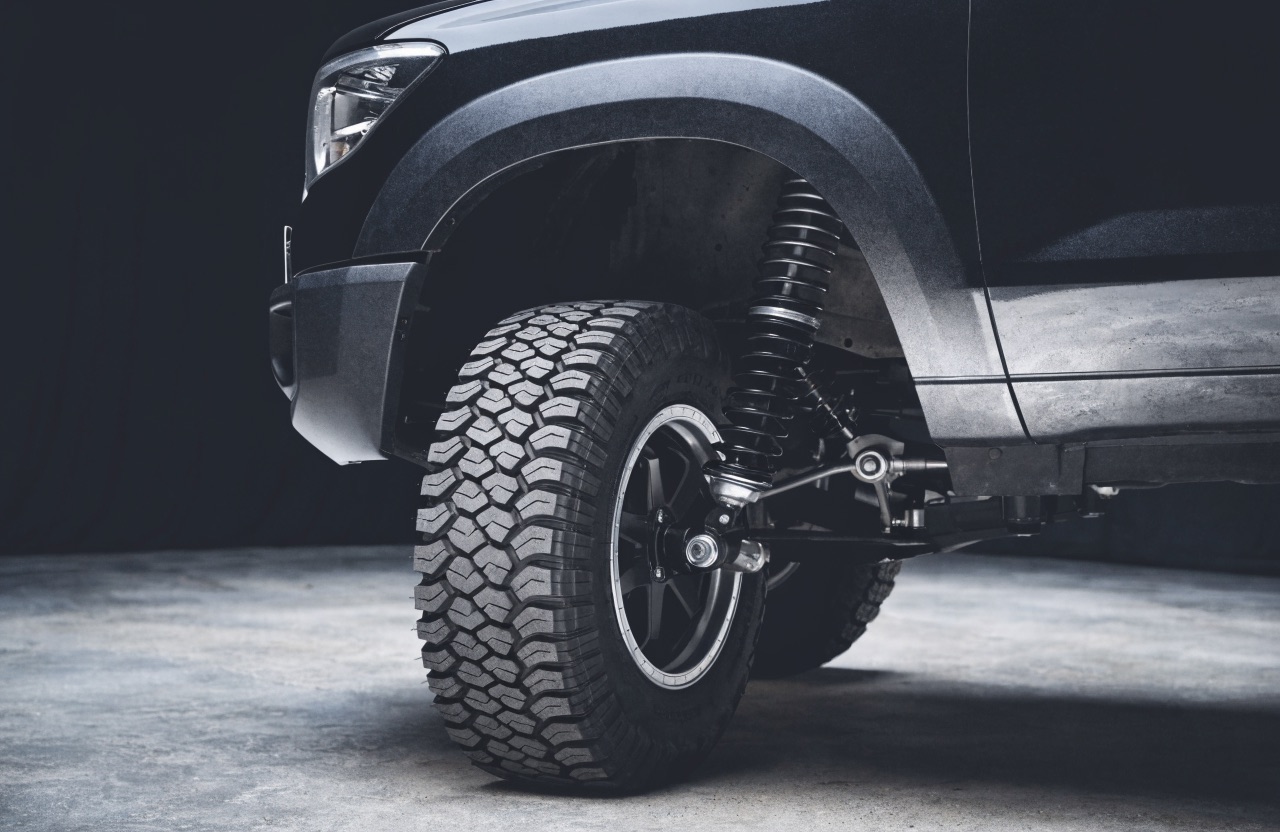
A lift looks simple from the outside: taller truck, bigger tires. Under the skin, you’re changing steering geometry, driveline angles and load paths that the factory spent years tuning. Here’s what actually happens — and what to plan for before you order.
Body lift vs suspension lift
A body lift raises the cab and bed off the frame with spacers (usually 1–3"). It’s the cheapest way to clear slightly larger tires, and it doesn’t change ride quality or suspension geometry. It also doesn’t add ground clearance under the frame — the frame stays where it was.
A suspension lift replaces or extends springs, shocks, control arms and related hardware. This is the one that adds real clearance and off-road capability — and the one where quality matters, because every component is now part of your steering and braking behavior.
What people forget to budget for
- Alignment — mandatory after any suspension change.
- Brake lines and ABS wiring — taller suspension can stretch factory lines to their limit.
- Driveshaft angles — on bigger lifts, u-joints run at angles they were never designed for; vibration at highway speed is the classic symptom.
- Recalibration — larger tires change your effective gearing and speedometer reading.
- Headlight aim — simple, legally required in most states, and everyone forgets it.
Our honest advice
Buy the complete kit from one manufacturer rather than mixing bargain components. Matched kits are engineered together — springs, shocks and geometry correction as a system. And if you’re not confident wrenching on steering components, have it installed professionally: we maintain a network of independent Minnesota shops we trust with our own trucks.